Loss and the Quest for Meaning: A Creative Toolkit for Grief Therapy
Robert A. Neimeyer, PhD & Carolyn Ng, PsyD Portland Institute for Loss & Transition and
Christina Zampitella, PsyD, FT & Marcus Scarfo, LPCMH, NCC, ATR-P, CT
Center for Grief and Trauma Therapy
A total of 18 CEs are available (6 per day)
Early Bird Discount Extended to March 15th April Workshop 2 Minutes (Video) by Christina Clark
Dates:
April 8th-10th, 2026
Time:
9:00 am – 4:30 pm
*Complimentary lunch and beverages included.Significant losses of all kinds, whether through the death of someone close to us or through the non-death losses associated with severe illness or injury, relationship ruptures and more, can shake or shatter the assumptive world on which we rely for a sense of orientation and purpose in life. Grounded in the perspective that adaptive grieving entails a process of reaffirming or reconstructing this world of meaning, this 3-day workshop offers a generous toolkit of creative techniques, demonstrating each through actual clinical videos of their use, case studies and experiential practice.
Target Audience:
Psychologists, social workers, counselors, art / music / expressive arts therapists, pastoral care personnel, healthcare professionals, bereavement volunteers
Instructional Level:
Intermediate
Day 1: Titrating Trauma
Clinical Strategies for Addressing Tragic Death
Faculty: Robert A. Neimeyer, PhD & Carolyn Ng, PsyD
When a significant person dies by suicide, homicide, overdose or fatal accident, mourners often need more than the informal support systems in their lives can provide, calling for specialist intervention. And yet many professionals struggle to meet the daunting challenges that such violent and unnatural deaths pose. This workshop focuses on the griever’s need to titrate the trauma evoked by the traumatic dying, and to rescue the relationship with the deceased from the horror and possible stigma of the circumstances of the death.
We will begin by introducing the Tripartite Model of Meaning Reconstruction in loss, as a guide to identifying markers of clients’ need to more fully integrate the event story of the loss, to realign the relational story with the deceased, or to revise the personal story of their own identity following the death of a significant person in their lives. A personal exercise of tracing unwelcome life transitions will reveal significant events in every life that require such attempts at meaning reconstruction. We will then consider recent research on grief attacks, sudden and commonly overwhelming upsurges of loss-related anguish. Participants will be introduced to the first validated measure of this complex phenomenon, detailing its features, triggers, contexts of occurrence and how grievers attempt to manage the experience, followed by a practical technique for helping clients self-regulate when they sense the onset of this unsettling and potentially dangerous occurrence. The goal of this initial segment is to offer orientation to traumatic grief in general and to one of its most troubling manifestations, sharpening therapists’ assessment and intervention skills in titrating loss-related trauma.
We then present longitudinal research on the impact of avoidance and approach coping on prolonged grief and other psychiatric outcomes in the aftermath of violent death, and the role of meaning making in mediating these effects. This then is followed a technique for mapping trigger zones that engender grief attacks, and a further arts-assisted procedure for buffering them, both of which we will practice and process in small groups. Finally, we conclude with research and a clinical video that explore approaches to rescuing the personhood of the deceased from the stigma of their violent death, introducing the tools for relational repair that comprise Day 2 of the workshop series.
Learning outcomes:
- Summarize the Tripartite Model of Meaning Reconstruction as a map for establishing a clinical focus for intervention with bereaved clients;
- Review research using the Grief Attack Questionnaire, listing its 4 dimensions and implications for mastering intense surges of loss-related fear and pain;
- Summarize evidence regarding the outcomes of Approach vs. Avoidance Coping and the role of meaning in mediating future psychiatric outcomes following suicide and overdose; and
- Practice 3 techniques for grounding, promoting approaching coping, and enhancing clients’ mastery to manage turbulent emotion following violent loss.
Note: This 1-day workshop focuses on application of psychological assessment and/or intervention methods that have overall consistent and credible empirical support in the contemporary peer reviewed scientific literature beyond those publications and other types of communications devoted primarily to the promotion of the approach
Agenda
| Time | Session |
|---|---|
| 9:00 – 10:30 am | Grief as a Quest for Meaning: From Model to Method |
| 10:30 – 10:45 am | Break |
| 10:45 am – 12:15 pm | The Phenomenology of Grief Attacks: Research and Applications |
| 12:15 – 1:15 pm | Lunch |
| 1:15 – 2:45 pm | Approach and Avoidance Coping: Confronting Trauma Triggers |
| 2:45 – 3:00 pm | Break |
| 3:00 – 4:30 pm | Rescuing the Deceased from Stigmatizing Death: Acrostic Eulogy |
Day 2: Part A: Guilt, Regret, and Shame:
Interventions for Grieving Clients
Faculty: Christina Zampitella, PsyD, FT
Guilt, regret, and shame frequently emerge in the aftermath of both personal and collective loss, often complicating the grieving process. These emotions can be especially difficult to address, as they may serve as a perceived connection to the deceased, making clients reluctant to release them. In this session, participants will explore how these emotions manifest in grief, particularly in the context of death, loss, trauma, and collective loss. We will examine how “shoulds” and “if onlys” can reinforce cycles of self-blame, shame, and survivor’s guilt. Through case examples and practical interventions, attendees will gain tools to help clients process these challenging emotions, shift unhelpful narratives, and find healing pathways that honor both the grief and the self.
Learning outcomes:
- 1. Analyze the relationship between guilt, shame, and regret, and their impact on the emotional well-being and healing process of bereaved individuals; and
- 2. Apply targeted interventions to increase clients’ self-awareness and support the regulation of painful thoughts and emotions that may impede the grieving process.
Part B: Material Choice and Creation of Transitional Objects
Faculty: Marcus Scarfo, LPCMH, NCC, ATR-P, CT
This session explores the benefits of the creative process and the inherent healing qualities of various art materials. We will discuss how these materials fall along a spectrum from fluid to structured and examine the expressive therapies continuum as a framework for guiding creative interventions with grieving individuals. Cultural considerations and strategies for increasing accessibility when introducing art materials will also be addressed. Attendees will gain practical knowledge to support informed decision-making when integrating art into grief therapy and will learn art-based tasks that can help clients create transitional objects, enhance adaptive coping during grief, and foster enduring bonds with loved ones who have died.
Learning outcomes:
- 1. Apply concepts from the material spectrum and the expressive therapies continuum to make informed, clinically appropriate decisions when incorporating art into grief therapy; and
- 2. Practice the use of one creative arts-assisted method to revise and enhance the mourner’s continuing bond with the deceased.
Part C: Reopening the Dialogue:
Chair Work and Imaginal Dialogues in Grief Therapy
Faculty: Robert A. Neimeyer, PhD
Accessing and reconstructing the terms of attachment to a deceased loved one is a central process in grieving, both to reaffirm constructive bonds in a sustainable, non-physical form, and to resolve unfinished business in bonds that are more problematic or ambivalent. Facilitating symbolic dialogues with the dead using the technique of empty chair or two-chair dialogue can promote both of these aims. This module introduces principles of chair work through a video demonstration of its use with a bereaved son and extends emotion-focused procedures to promote activation and resolution of the bond at an embodied, experiential level. Participants will benefit from hands-on practice with this method in a practicum component that follows the formal instruction.
Learning outcomes:
- 1. Summarize the procedures involved in introducing, facilitating and processing of symbolic interactions with the deceased; and
- 2. Describe procedures for prompting client “witnessing” of the interaction and tailoring it to use safely in cases when the deceased has profoundly abused, neglected or abandoned the client.
Note: This 1-day workshop focuses on topics related to psychological practice, education, or research other than application of psychological assessment and/or intervention methods that are supported by contemporary scholarship grounded in established research procedures.
Agenda
| Time | Session |
|---|---|
| 9:00 – 10:30 am | Guilt, Regret, and Shame: Interventions for Grieving Clients |
| 10:30 – 10:45 am | Break |
| 10:45 am – 12:15 pm | The Art of Therapy: Material Choice & Creation of Transitional Objects |
| 12:15 – 1:15 pm | Lunch |
| 1:15 – 2:45 pm | The Choreography of Imaginal Dialogues: Structure & Process |
| 2:45 – 3:00 pm | Break |
| 3:00 – 4:30 pm | From Viewing to Doing: Putting Principles into Practice |
Day 3: Recomposing the Self:
Exploring Our Inner World
Faculty: Robert A. Neimeyer, PhD
The death of someone close commonly portends a loss of aspects of ourselves, as we lose a unique source of mirroring, affirmation and grounding of our own identities. Grieving another therefore frequently involves grieving the lost self, while also developing a constructive relationship to those new dimensions of our experience introduced by the loss, including the grief at its core.
We will begin by conceptualizing identity change in narrative and relational terms, illustrating this in clinical videos and considering two creative approaches to integrating loss into our life stories and exploring its symbolic significance while drawing on the healing power of the imagination. Extending this narrative work, we will then explore a performative procedure to promote externalizing of the prominent symptoms suffered by the griever, permitting novel perspective taking on its function, and dialogue with it, fostering a changed relationship to the “problem” going forward.
Learning outcomes:
- Conceptualize grief for the lost self in terms of the reorganization or reinvention of the self-concept of the mourner, and review selected research evidence for this formulation;
- Complete Chapters of Our Lives and Virtual Dream stories to safely explore the narrative themes for assimilating loss into the mourner’s biography and to discover new significance in it; and
- Process an extended clinical video demonstration of the Symptom Dialogues method and practice its application in small groups with the mentoring of faculty.
Note: This 1-day workshop focuses on topics related to psychological practice, education, or research other than application of psychological assessment and/or intervention methods that are supported by contemporary scholarship grounded in established research procedures.
Agenda
| Time | Session |
|---|---|
| 9:00 – 10:30 am | Loss of Another, Loss of Self: A Conceptual Framework |
| 10:30 – 10:45 am | Break |
| 10:45 am – 12:15 pm | Re-Storying Lives: Creative Narrative Techniques |
| 12:15 – 1:15 pm | Lunch |
| 1:15 – 2:45 pm | Symptom Dialogues: An Interview with Loneliness |
| 2:45 – 3:00 pm | Break |
| 3:00 – 4:30 pm | From Viewing to Doing: Putting Principles into Practice |
Early Bird Discount Extended to March 15th
Registration ends April 1, 2026
Early Bird Discount
1 Day: $215 –
Regular Price $240
SAVE $35
2 Days: $425 –
Regular Price $475
SAVE $50
3 Days: $600 –
Regular Price $675
SAVE $75
Student
1 Day: $190
2 Days: $380
3 Days: $540
(After your workshop has been purchased, you will be redirected to this page to optionally purchase CE’s below)
CEs (6 CEs/day)
1 Day: $30
2 Days: $55
3 Days: $80
Please contact us at 302-635-0505 for any special accommodations or refunds.
Presenter Names and Bios:

Robert A. Neimeyer, PhD & Carolyn Ng, PsyD, MMSAC, RegCLR
Robert A. Neimeyer, PhD, is Professor Emeritus of the Department of Psychology, University of Memphis, maintains an active consulting practice, and directs the Portland Institute for Loss and Transition, which provides global online training in grief therapy. Neimeyer has published 37 books, including Living Beyond Loss: Questions and Answers about Grief and Bereavement and New Techniques of Grief Therapy, and serves as Editor of Death Studies. The author of over 600 articles and book chapters, he has been recognized in the Stanford University/Elsevier list of Top 2% Scientists in the world, with 57,968 citations to his work according to Google Scholar. Neimeyer is currently working to advance a more adequate theory of grieving as a meaning-making process. In recognition of his contributions, he has been made a Fellow of the American Psychological Association and given Lifetime Achievement Awards by both the Association for Death Education and Counseling and the International Network on Personal Meaning.
Carolyn Ng, PsyD, MMSAC, RegCLR maintains a private practice, Anchorage for Loss and Transition, for training, supervision and therapy in Singapore, while also serving as Associate Director of the Portland Institute for Loss and Transition. Previously she was a Principal Counsellor with the Children’s Cancer Foundation in Singapore, specialising in cancer-related palliative care and bereavement counselling. She is a registered counsellor, master clinical member and approved supervisor with the Singapore Association for Counselling (SAC) and a consultant to a cancer support and bereavement ministry in Sydney, Australia. She is trained in the Critical Incident Stress Management (CISM) by the International Critical Incident Stress Foundation, USA, community crisis response by the National Organisation for Victim Assistance (NOVA), USA, and Applied Suicide Intervention Skills Training (ASIST) by LivingWorks, Canada. She is also a trained end-of-life doula and advanced care planning facilitator. Her recent writing concerns meaning-oriented narrative reconstruction with bereaved families, with an emphasis on conversational approaches for fostering new meaning and action.
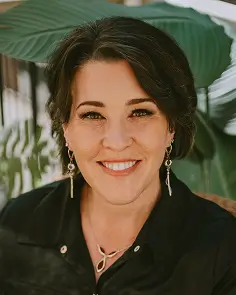
Christina Zampitella, Psy.D., FT,
Dr. Zampitella is a licensed clinical psychologist, Fellow of Thanatology (specialist in death, loss, and grief), traumatologist, and the founder of The Center for Grief and Trauma Therapy. She frequently serves as an adjunct professor and internationally recognized professional speaker, and has a particular passion for training emerging mental health professionals. Dr. Zampitella hosts her podcast, Phoenix Rising with Dr. Z., where she delves into various topics related to grief and trauma. Her clinical practice, research, course development, and teaching are centered around grief and trauma studies, nature-based therapy, and integrative psychology.
Dr. Zampitella has held leadership roles within professional institutions, serving as the chair of the Continuing Education Committee for several organizations. Additionally, she is a faculty member at the Portland Institute for Loss and Transition and is on the advisory committee for National University’s Integrative Psychology bachelor’s degree program. Her professional experience includes serving as the resident psychologist for 5 News in San Diego, and she frequently appeared on NBC News in San Diego and Philadelphia. Dr. Zampitella has been recognized in various publications, including The Huffington Post, New York Post, Elle Magazine, BuzzFeed, and several Delaware publications.
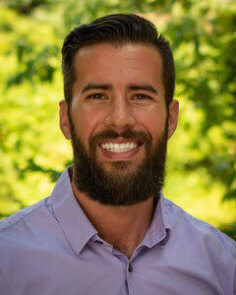
Marcus Scarfo, LPCMH, NCC, ATR-P, CT
Marcus is a licensed professional counselor of mental health, national certified counselor, provisional registered art therapist, Certified Thanatologist, and Vice President of the Center for Grief and Trauma Therapy, P.A. He specializes in supporting adults as they navigate grief, trauma, and life’s most complex transitions. Trained in Eye Movement Desensitization and Reprocessing (EMDR) and grounded in art therapy and counseling, Marcus brings both clinical depth and creative integration to his work. His experience across juvenile detention, community mental health, and private practice settings has strengthened his deep respect for resilience and the transformative potential of therapy. Marcus offers individual and group therapy through a collaborative, strength-based approach tailored to each person’s unique healing journey. In addition to his clinical work, he is committed to mentoring and supervising emerging clinicians, helping to cultivate the next generation of grief-informed practitioners. He has also dedicated his time to meaningful volunteer service, including Kay’s Kamp—an overnight camp for children facing cancer—and the American Foundation for Suicide Prevention, supporting prevention and awareness initiatives.

Portland Institute for Loss and Transition is approved by the American Psychological Association to sponsor continuing education for psychologists. Portland Institute for Loss and Transition maintains responsibility for this program and its content.

Portland Institute for Loss and Transition, [Provider number 1954), is approved to offer social work continuing education by the Association of Social Work Boards (ASWB) Approved Continuing Education (ACE) program. Organizations, not individual courses, are approved as ACE providers. State and provincial regulatory boards have the final authority to determine whether an individual course may be accepted for continuing education credit. Portland Institute for Loss and Transition maintains responsibility for this course. ACE provider approval period: 09/09/2025-09/09/2028.